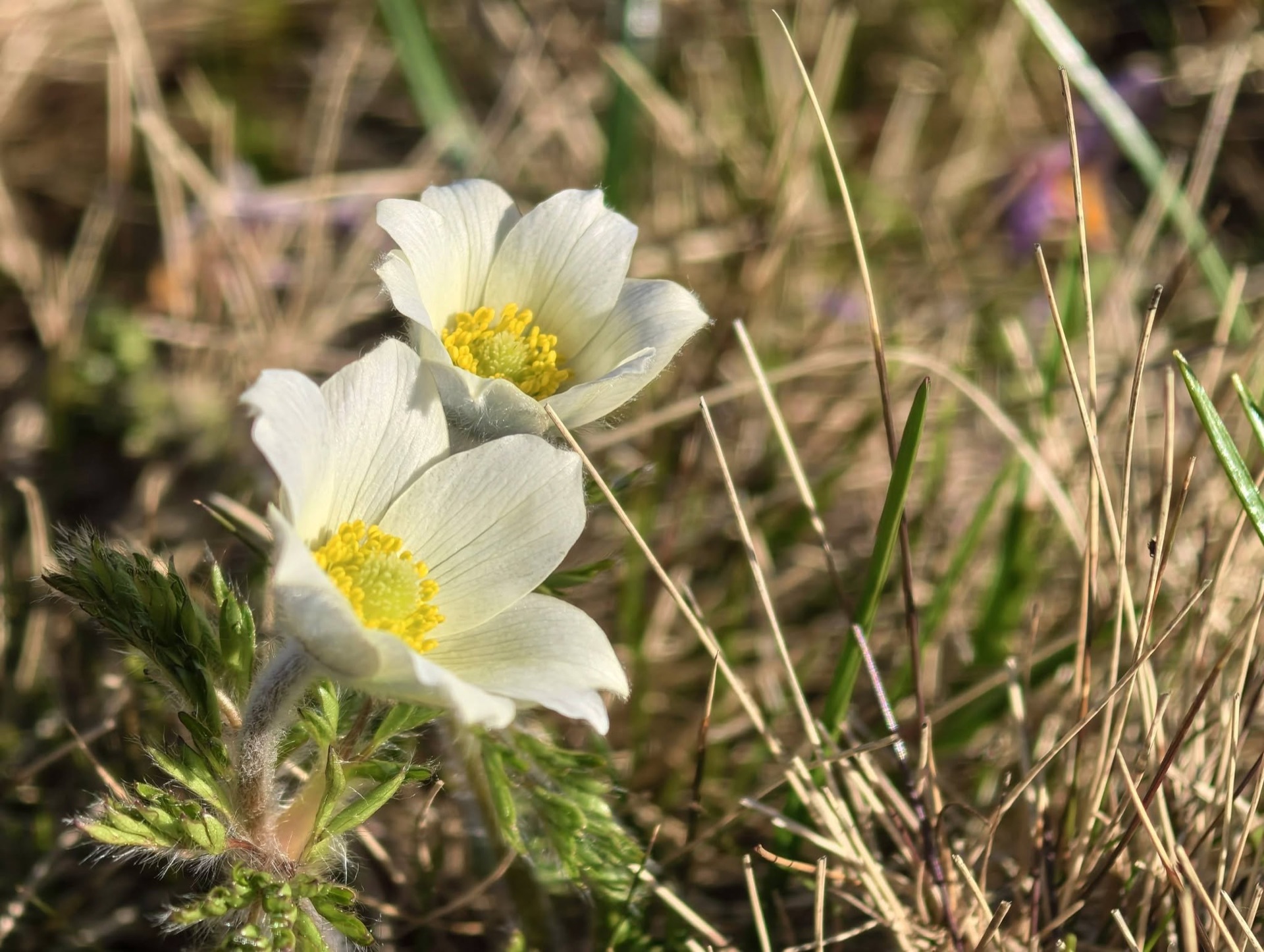
May – June
Spring
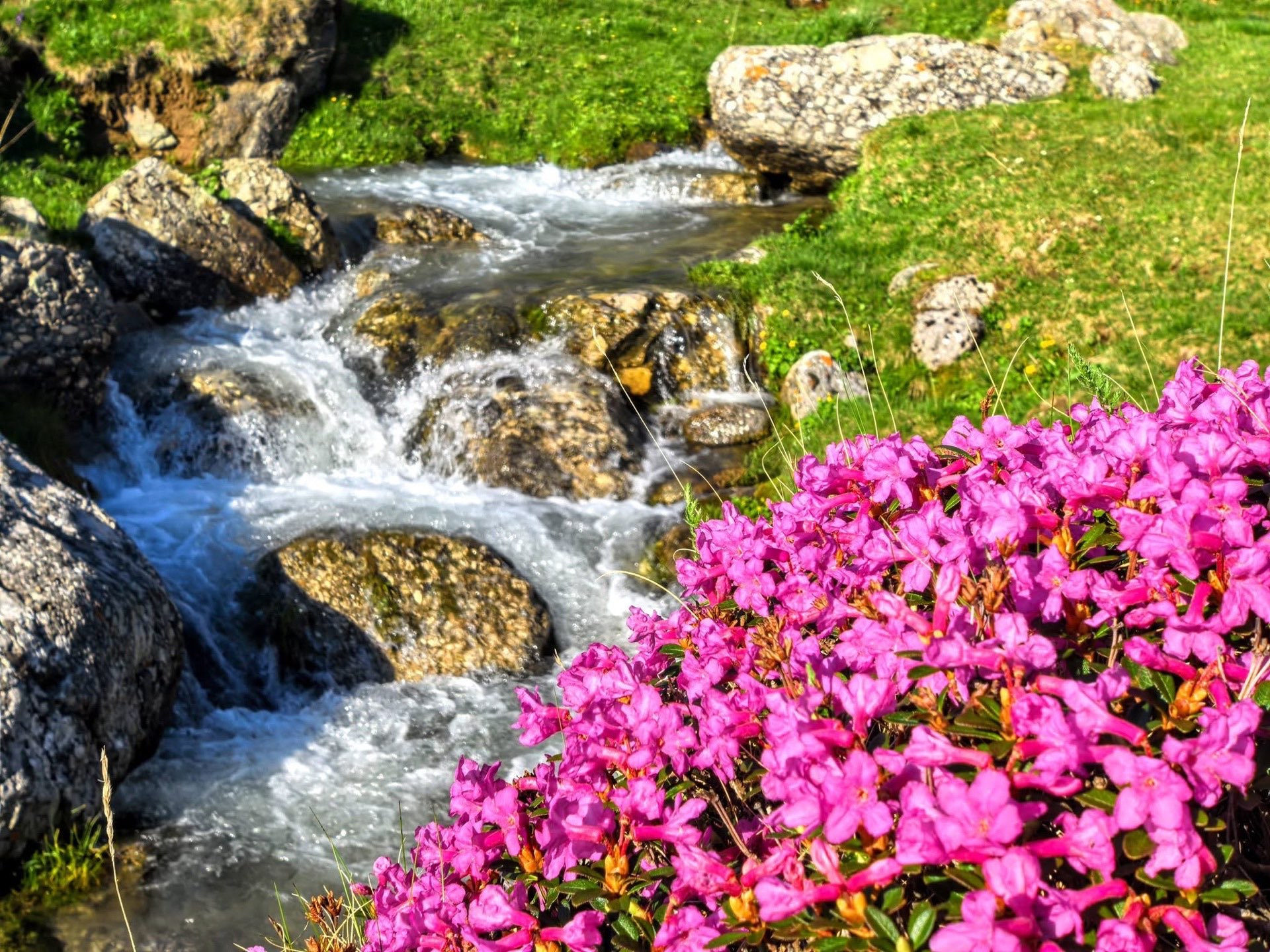
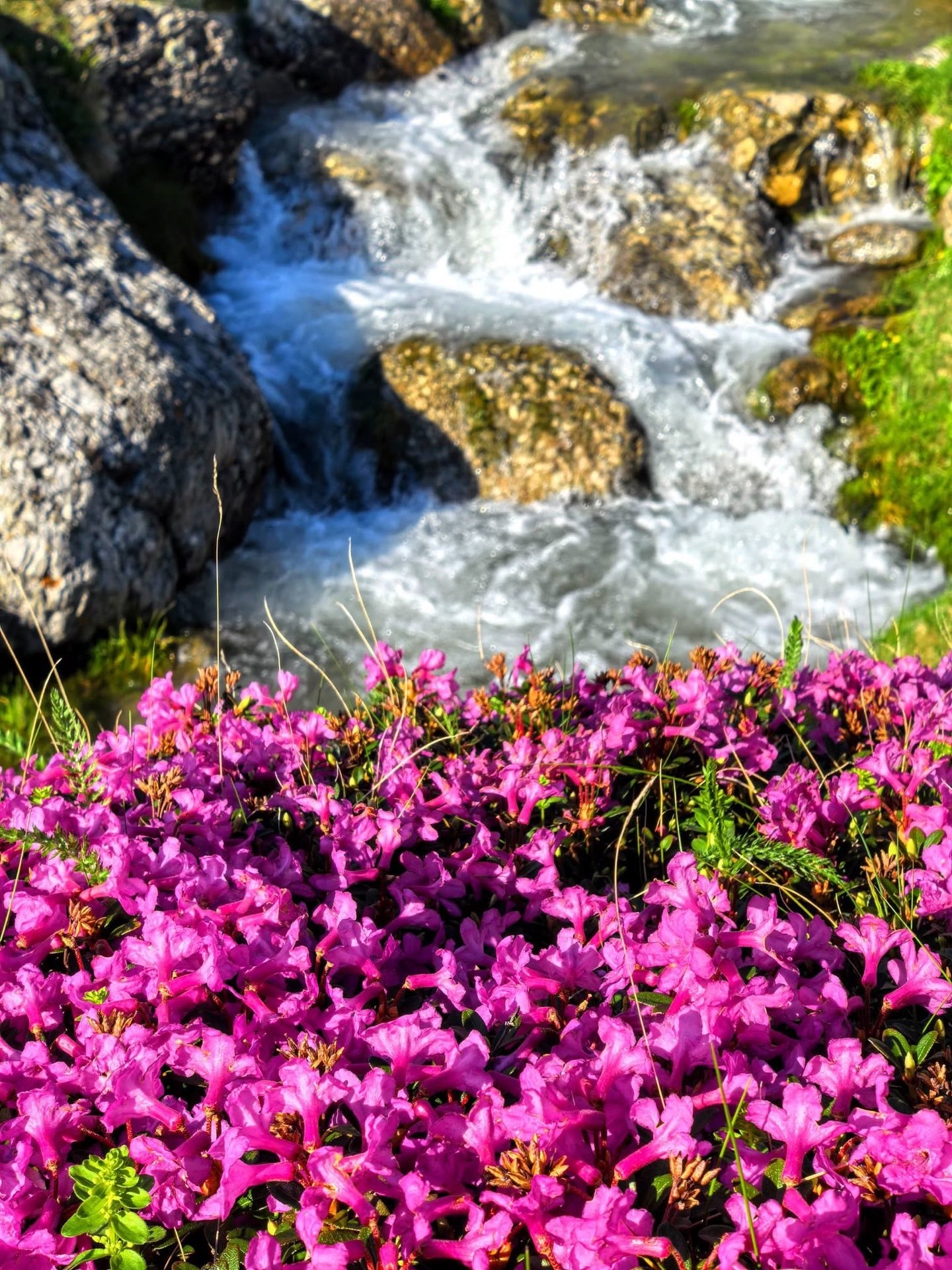
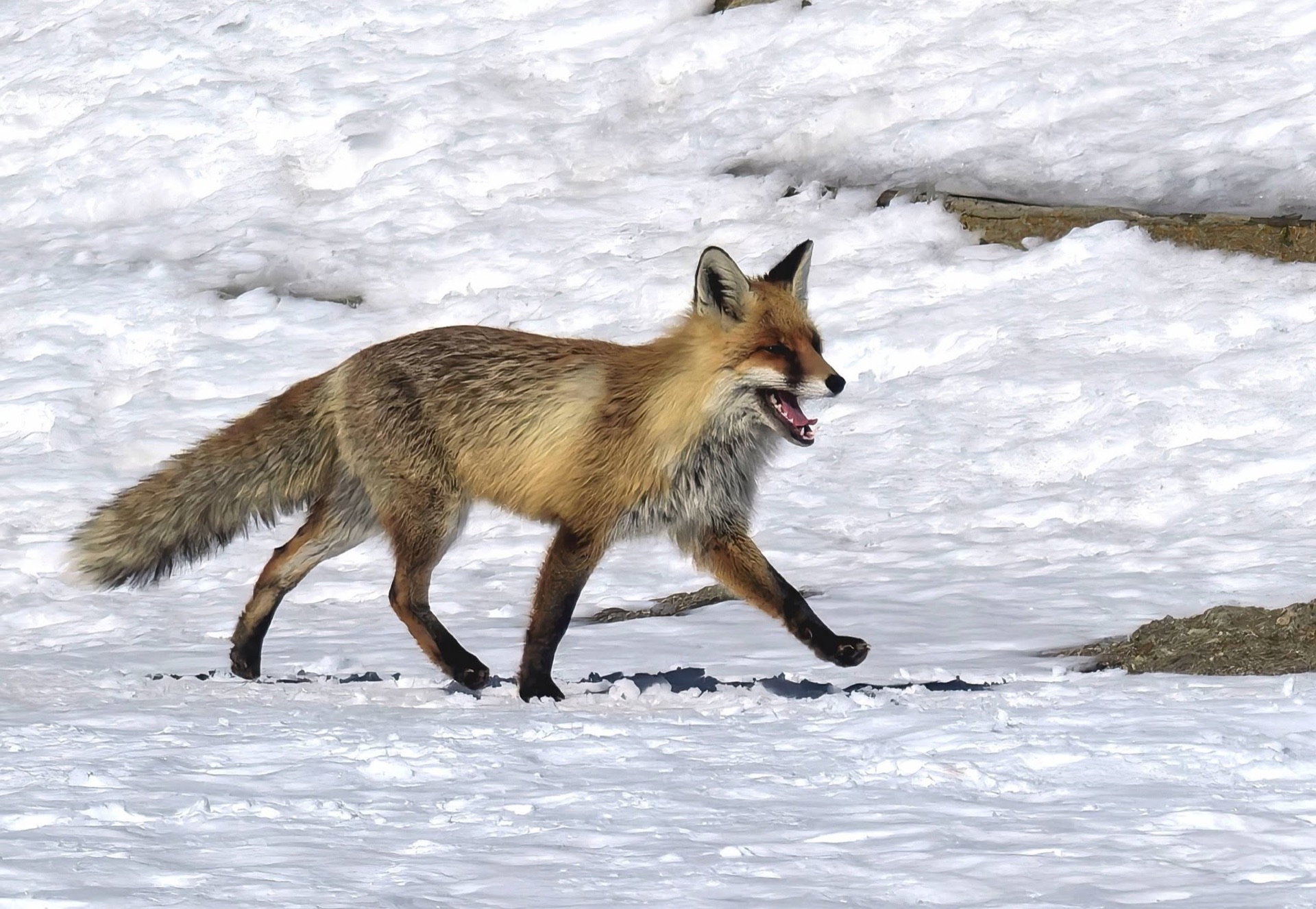
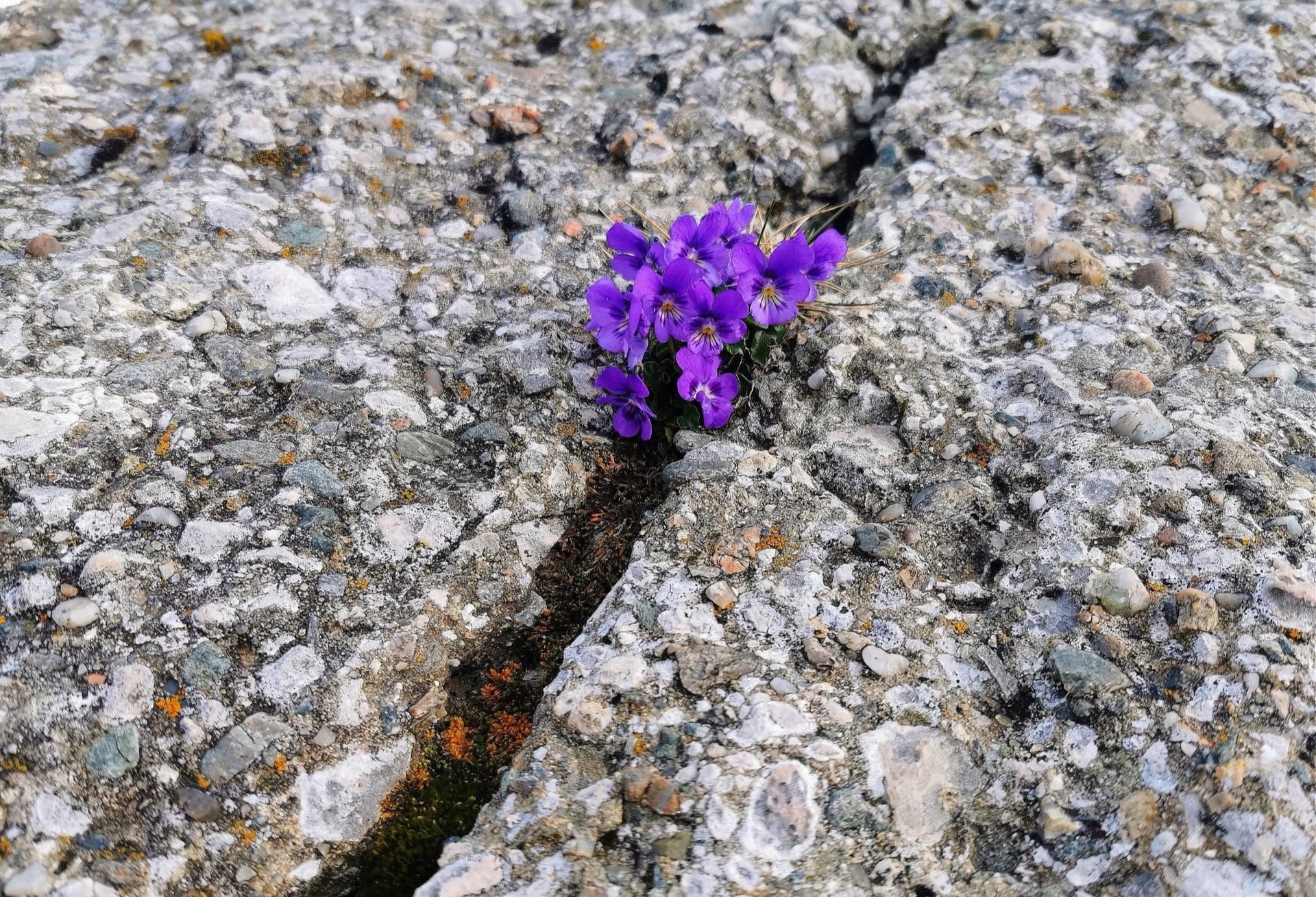
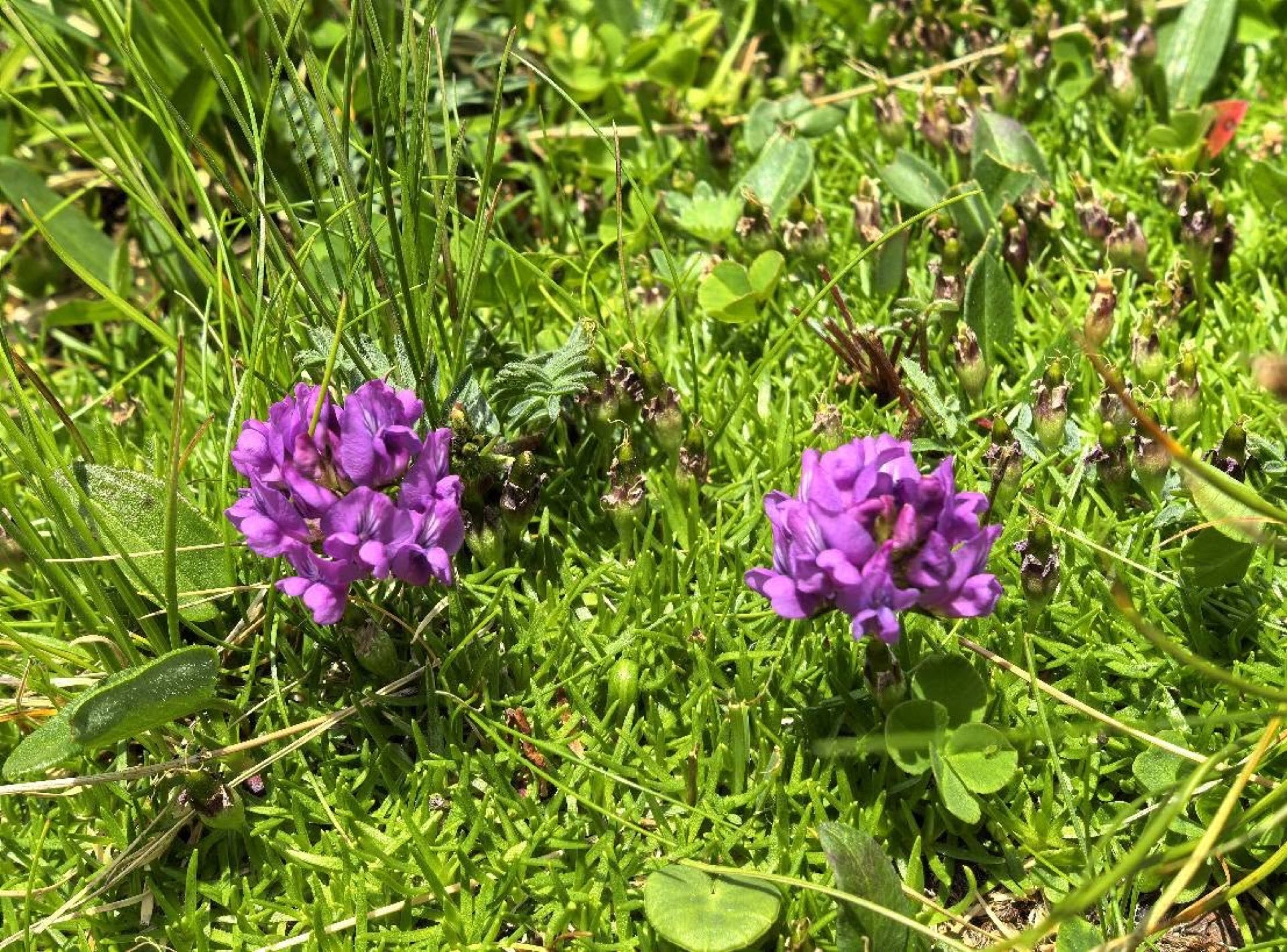
Waterfalls at full volume, meadows in first bloom, snow still on the ridge and on the north faces. Fewer people than any other season; boots stay wet.
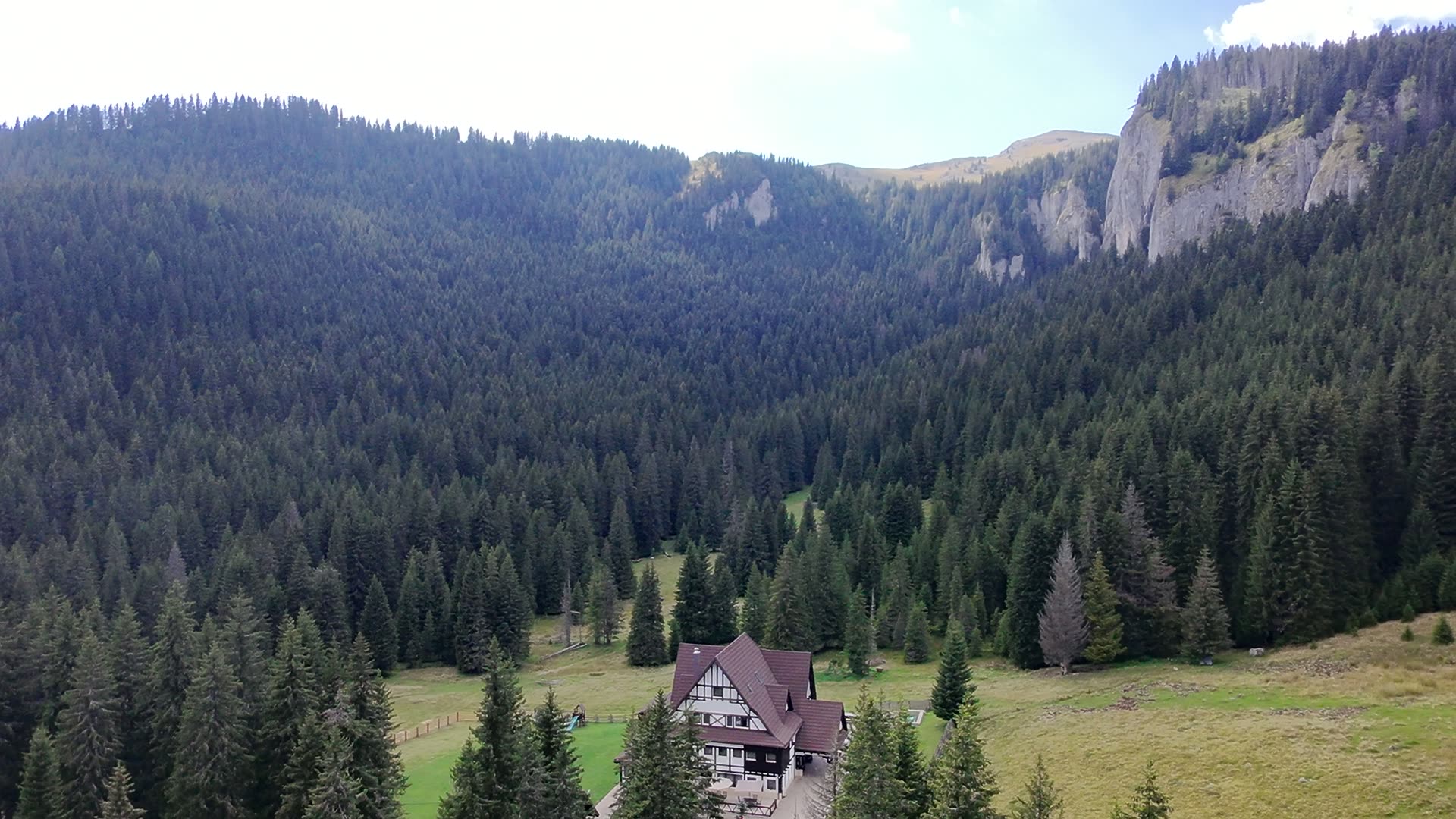
Padina–Peștera · Bucegi · Romania · 45°24′ N 25°26′ E · 1 525 m
01 / 08 · Pick a trail
The Carpathians are not a park with an entrance gate. They are a working mountain range — an arc of forest, meadow and rock that holds the largest carnivore populations in Europe outside Russia, and shepherds who still walk their flocks up in spring and down in autumn. This page is the long answer to the question we get most: what is actually up there?
The valley in numbers
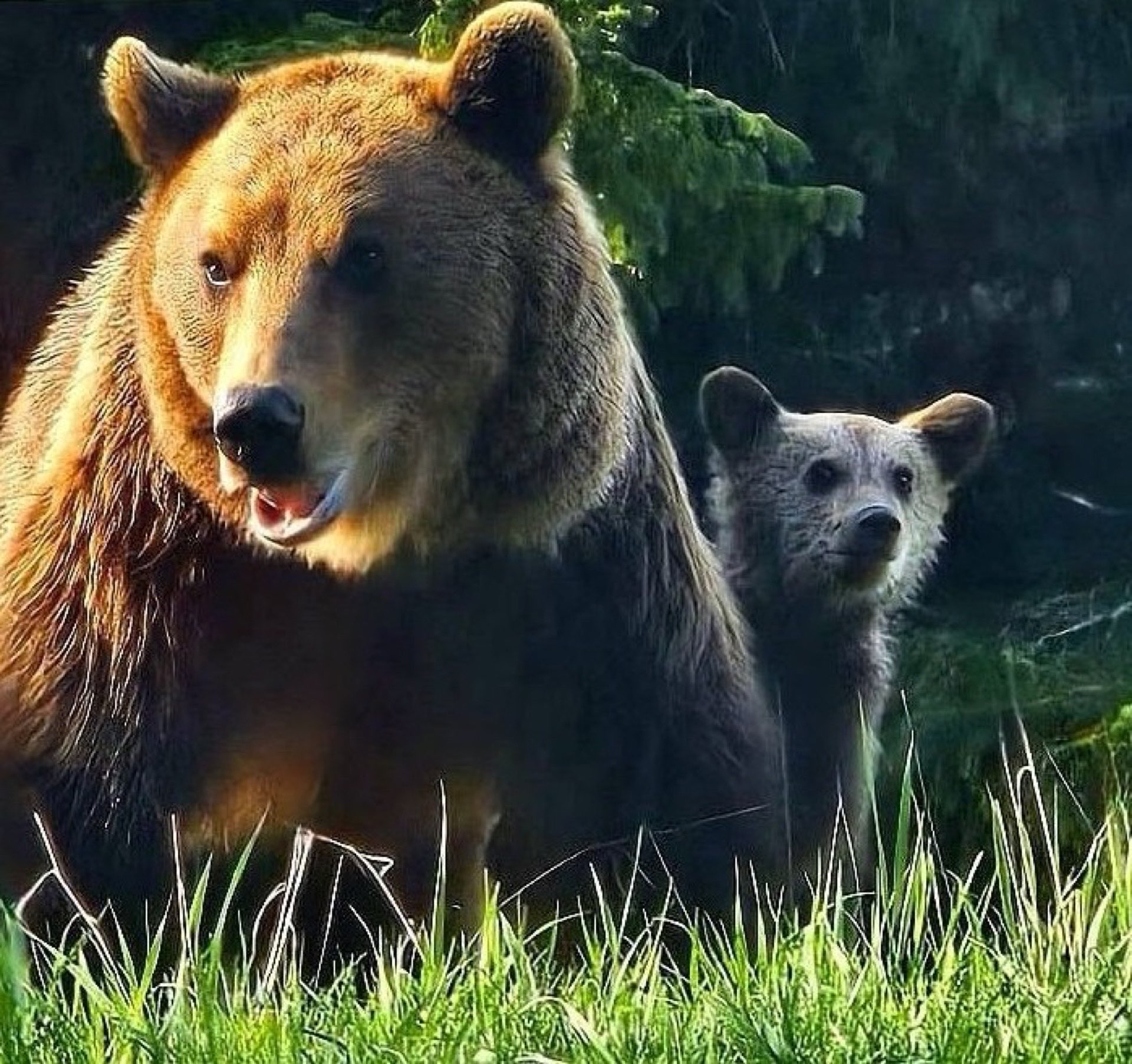
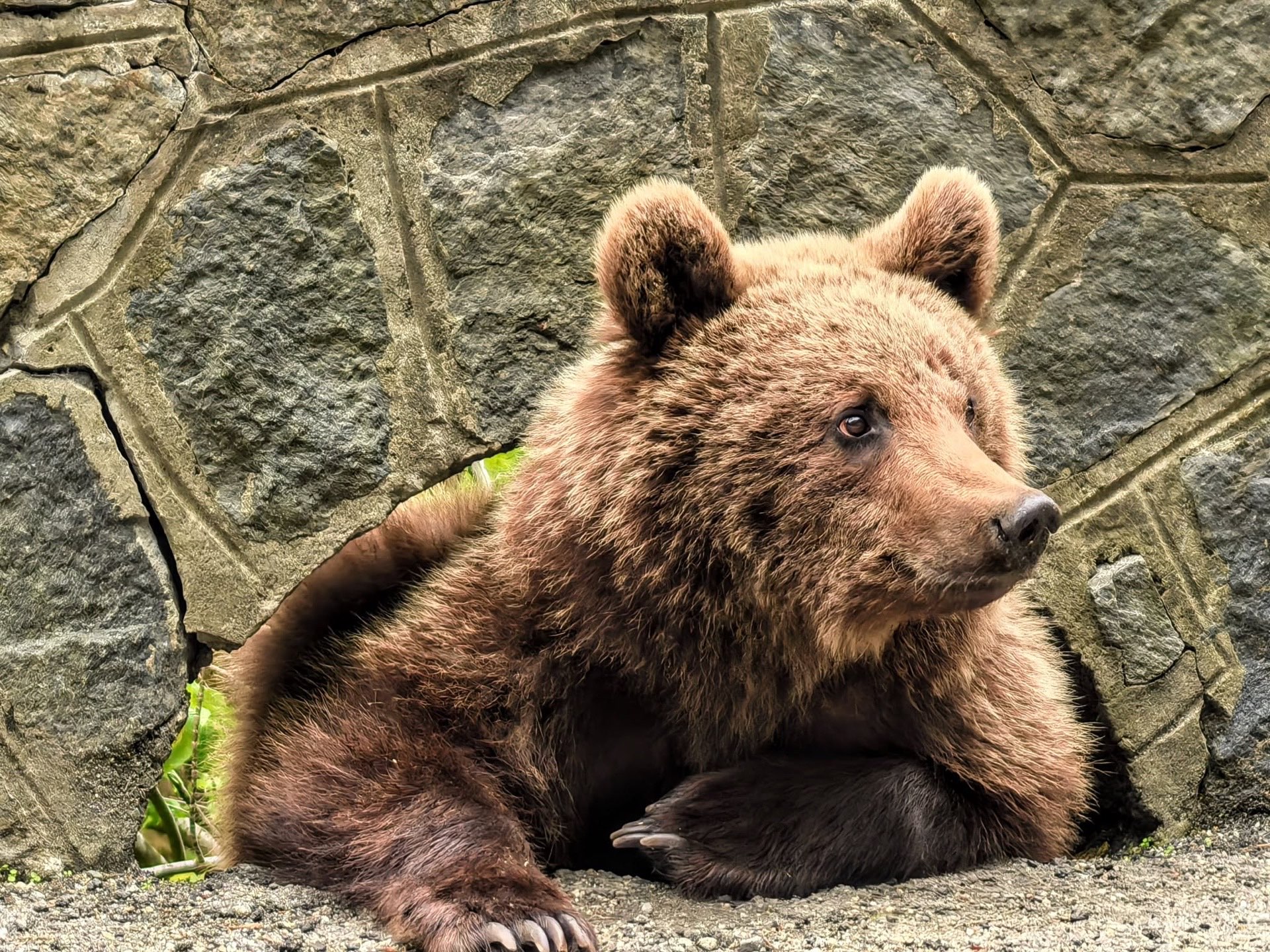
Romania has the largest brown bear population in Europe: a 2025 genetic study, based on more than 24 000 samples, put it between 10 419 and 12 770 animals — roughly 60% of Europe's brown bears outside Russia. Add about 3 000 wolves and some 2 000 lynx, the European Union's largest populations of both. None of them live in enclosures; they live in the same forests our trails cross.
In the Bucegi you are more likely to meet chamois on the limestone walls than anything with claws — but the tracks are there, and reading them is half the walk. Your guide translates: who passed, when, in what mood. You will also learn the etiquette of being a guest where you are not the biggest thing walking: distance, wind, noise, food kept sealed and away from the tent.
Everything we do happens inside Bucegi Natural Park: 32 663 hectares across Brașov, Dâmbovița and Prahova counties, protected by law since 2000 and part of the Natura 2000 network. Inside it are 14 nature reserves and 46 natural monuments — among them Cheile Tătarului (144 ha, between the Padina plateau and Bolboci lake) and the Cocora cave and Urșilor gorges reserve (307 ha), which includes Ialomița Cave itself.
The park takes about a million visitors a year, most of them on two or three famous viewpoints. Entry is a 10 lei ticket, valid three months. We spend our days on the other trails — which is the whole point of having a base inside the valley rather than a hotel outside it.
The highest point of the Bucegi and the site of Romania's highest permanently manned weather station; measurements have been taken up there since 1927.
Wind-carved limestone on the plateau: a human profile and a cluster of mushroom-shaped rocks, both natural monuments.
About 400 m of the cave are open to visitors, up to the point called the Altar. The monastery at its mouth was founded in the early 1500s, by tradition under Mihnea cel Rău.
A reservoir on the Ialomița behind a dam over 55 m high — one of the highest dam lakes in the country, twenty-five minutes down the valley from the base.
A vertical band: the main routes, often called magistrale — ridge lines and the long links between valleys.
An equal-armed cross: connecting routes, the short trails that stitch two main routes together.
An equilateral triangle: secondary routes — the way up to a hut, a peak or a viewpoint. The dot inside a circle is used for secondary routes too.
A dot: in the official set, a dot with a double circle, white and red, marks a circuit — a route that brings you back where you started.
The system is not folklore: it is set out in Government Decision 77/2003 on preventing mountain accidents, and new methodological norms for pedestrian routes followed in 2022. New routes are documented by county or local councils together with the mountain rescue association, and each one needs the approval of the county SALVAMONT service, which also oversees the upkeep of the marks.
In late spring, shepherds walk their flocks from the villages up to the high pastures; in September they walk them back down. The practice is called transhumance, it is older than the country, and in December 2023 UNESCO added it to the Representative List of the Intangible Cultural Heritage of Humanity, in a file shared by ten European countries.
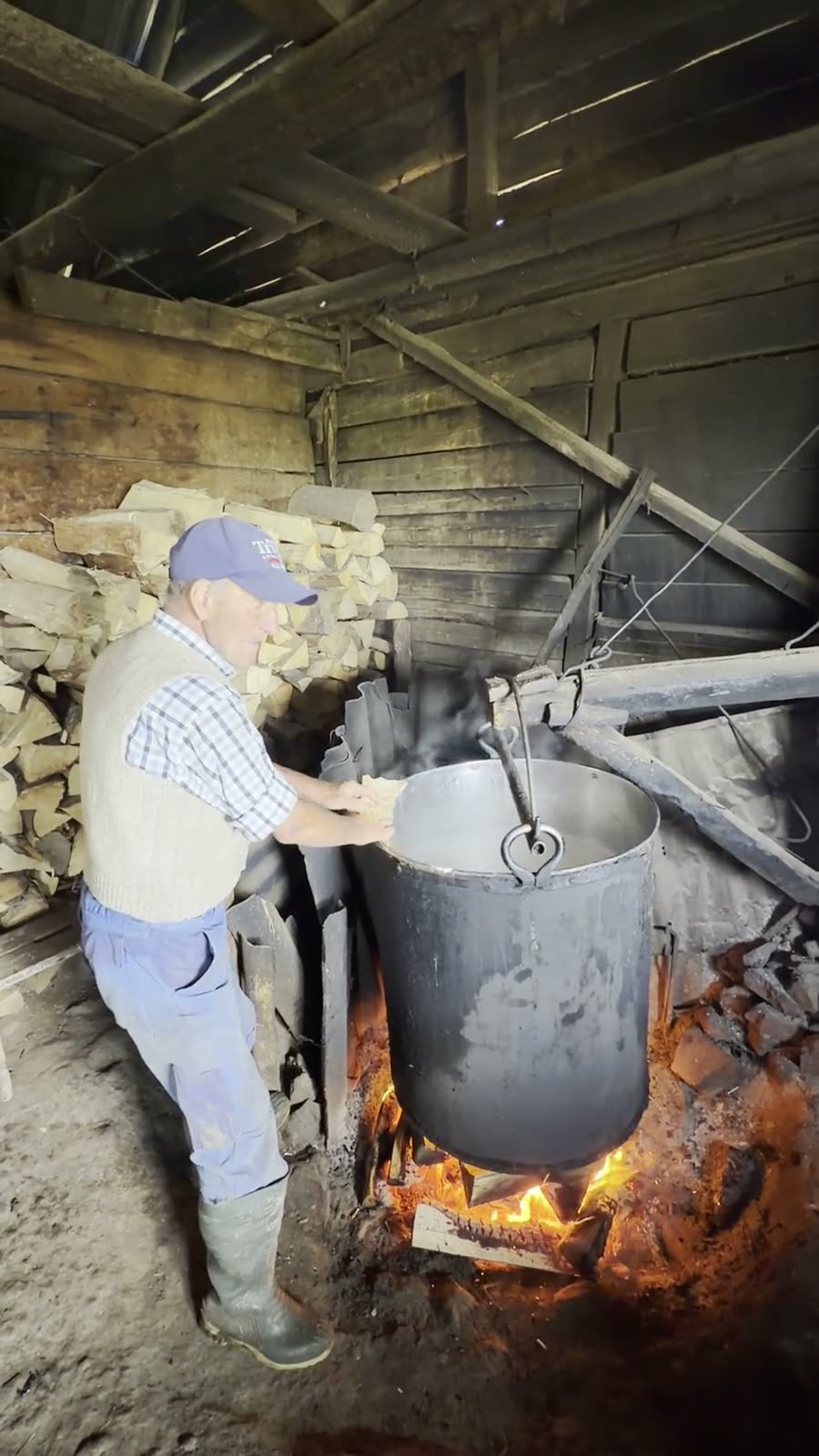
Where the flock stops, the shepherds build a stână: a one-room dairy at 1 800 m, with a fire going under the cauldron from morning. The milk becomes caș, urdă and brânză de burduf in front of you, and it is eaten warm, standing up, with the dogs watching. We visit as neighbours, not as a tour bus — and on two of our three packages you come with us.
Waterfalls at full volume, meadows in first bloom, snow still on the ridge and on the north faces. Fewer people than any other season; boots stay wet.
Long days, warm plateau, every trail open — and afternoon thunderstorms that decide when you turn around. The classic season; we keep groups small.
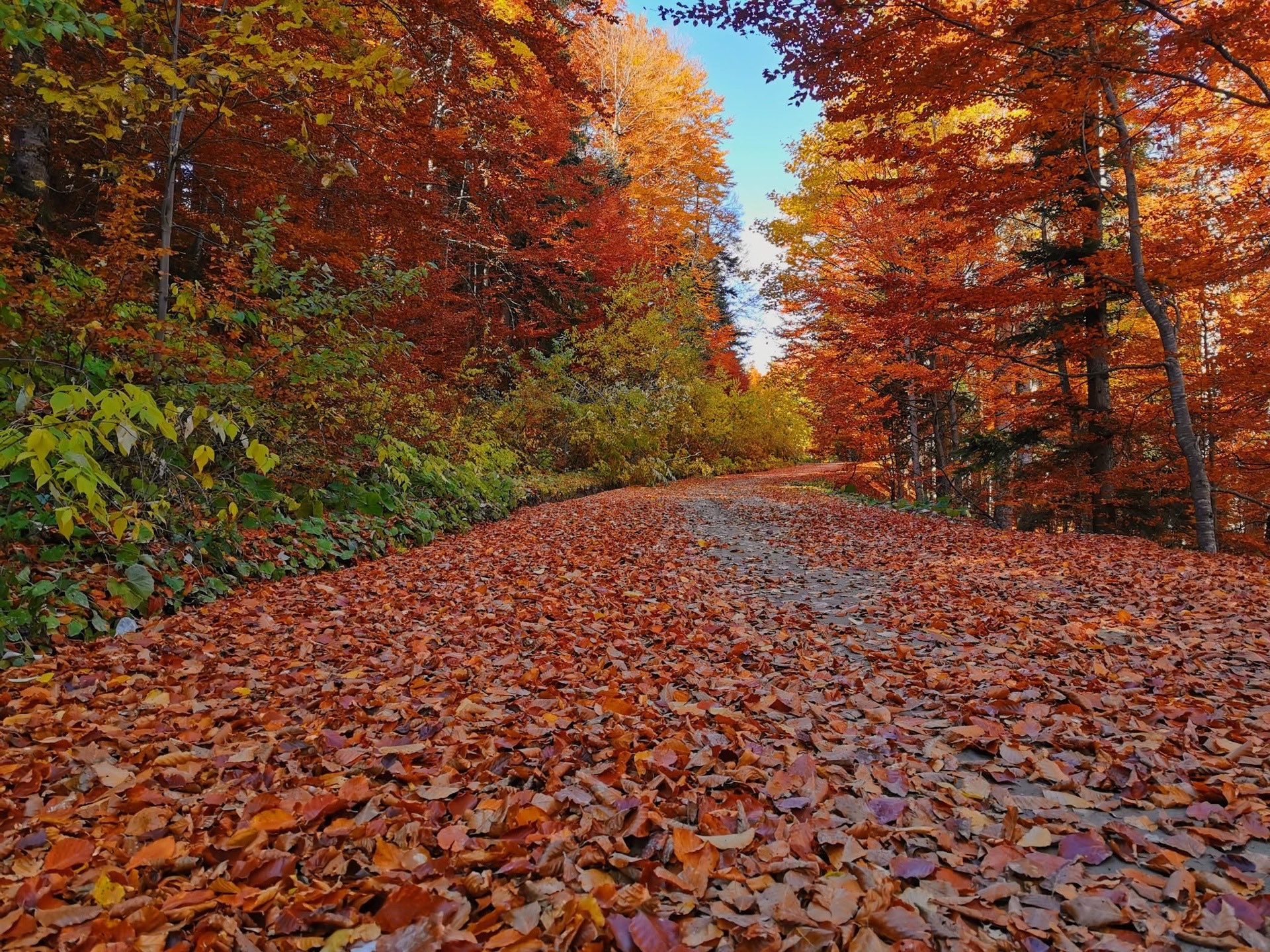
Beech forests turn copper, the flocks come down from the mountain, and the light gets serious. Our favourite, honestly.
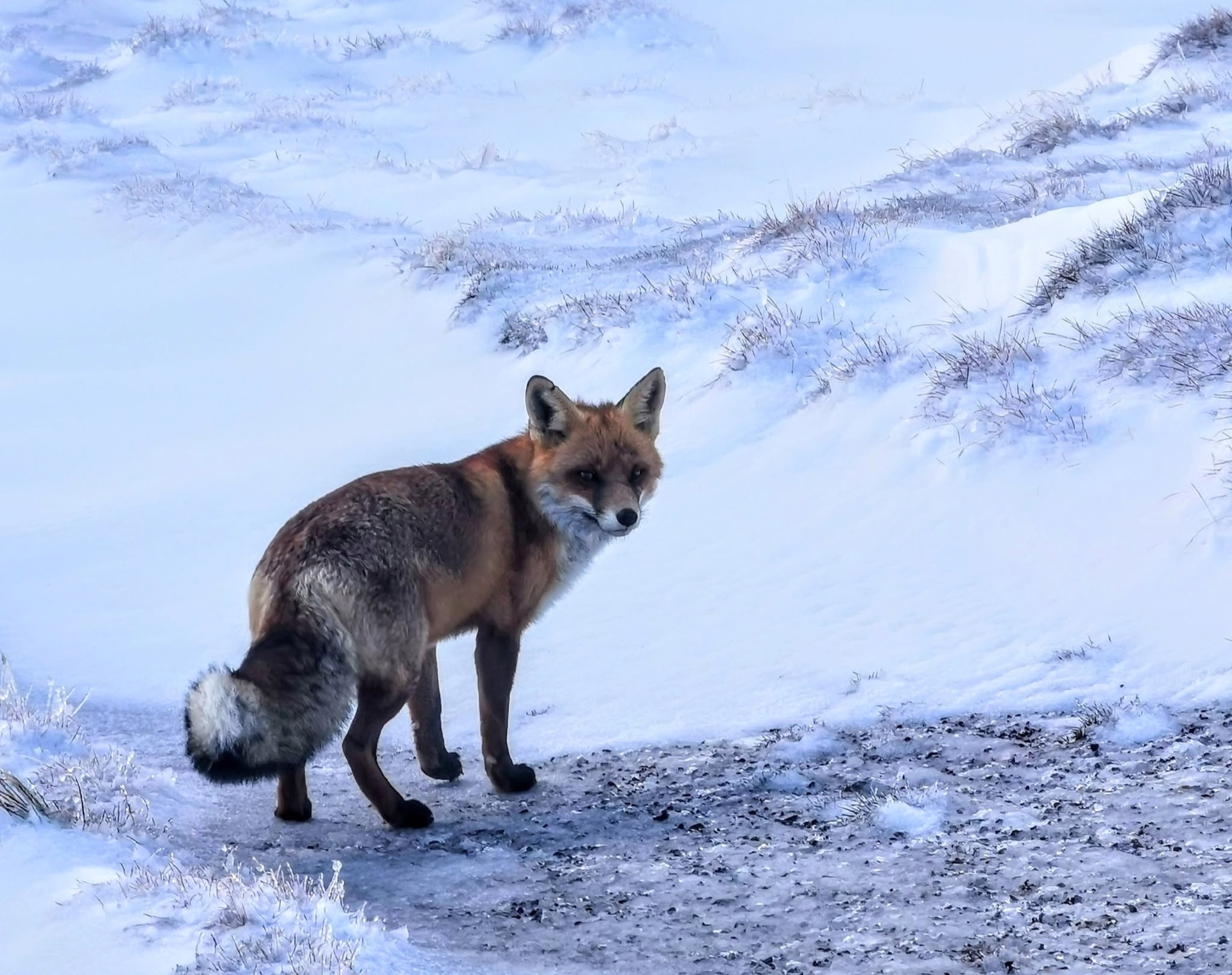
The valley under snow, quiet as a held breath. Snowshoe terrain, wood fires, and a plateau that demands respect: above the treeline, winter here is alpine.
Three days, two nights, one rucksack. Nothing on this list is exotic — but the mountain is unforgiving about the four things people leave at home: proper boots, a rain shell, a warm layer and a head torch.
We provide the technical kit for what we do: helmets where needed, binoculars for the wildlife dawns, snowshoes in winter, the group first-aid kit. If you are missing something on the list, tell us before you fly — it is easier to sort out in Bucharest than at 1 800 m.
The general emergency number. Say where you are, what happened, how many people are hurt and when it happened.
The national mountain rescue dispatch — 0-SALVAMONT on a phone keypad. Salvamont also runs a free app that shares your position with the rescuers.
Salvamont also runs a free app: it shares your exact position with the nearest rescue team.
On our trips this is our job, not yours: we carry the first-aid kit, we watch the sky, and the group's slowest member sets the pace. Above the treeline the weather turns in minutes — a clear morning is not a promise.
This is the raw material. Here's what we do with it:
See the eight experiences →